Your Oil tank screening regulations images are available. Oil tank screening regulations are a topic that is being searched for and liked by netizens today. You can Get the Oil tank screening regulations files here. Get all royalty-free vectors.
If you’re looking for oil tank screening regulations images information linked to the oil tank screening regulations topic, you have visit the ideal site. Our site frequently provides you with hints for downloading the highest quality video and image content, please kindly surf and locate more enlightening video articles and graphics that fit your interests.
Oil Tank Screening Regulations. It is recommended that the chosen tank is manufactured to OFTEC Standards OFS T100 for plastic or OFS T200 for steel. Complying with building regulations. The capacity of the oil tank must be less than 2500 litres The tank must not be within 10 metres of coastal waters or inland fresh waters like lakes or streams The tank must not be located where oil spills could run into an open drain or a loose manhole cover. New domestic oil tanks must meet minimum standards as set down by building control regulations.
 Camouflaging A Domestic Oil Tank Barton Petroleum From bartonpetroleum.co.uk
Heating Oil Tanks. Here is a handsome example of a oil tank with formal right angled corners clean. This means there is. Complying with building regulations. Due to British Standard updates in 2019 BS 54101 85 oil tanks require a minimum distance of 300mm separating the tank from buildings or other boundaries. Get a quote The Barnsley.
What was an.
This means there is. The tank is sized to typically provide 30 to 60 minutes settling time and buffer storage. We have an oil tank in quite a prominant position in the garden and would like to try and hide itdisguise it. British standards require a clearance of 600mm between the tank and any screening so make sure as a minimum you leave the required clearance failure to do so may mean your tank doesnt comply with current regulations and could have consequences if a problem was to arise. The base should extend at least 300mm beyond the widest points of the tank and fully support the base of the tank in its entirety. Each oil tank screen is made from a galvanised metal grid interwoven with ivy Hedera Helix to offer complete coverage.
Source: bartonpetroleum.co.uk
Although not covered by regional Building Regulations British Standards provide further guidelines relating to screening such as fences. It is recommended that the chosen tank is manufactured to OFTEC Standards OFS T100 for plastic or OFS T200 for steel. Here is a handsome example of a oil tank with formal right angled corners clean. This is to accommodate space to visually inspect the tanks exposed surfaces. New domestic oil tanks must meet minimum standards as set down by building control regulations.
 Source: tuffa.co.uk
The solids are separated from the oil by a dredging mechanism that picks up the solids from the bottom of the tank and drags them. Take a look below at some examples of screening out oil tanks and other utilities. British standards require a clearance of 600mm between the tank and any screening so make sure as a minimum you leave the required clearance failure to do so may mean your tank doesnt comply with current regulations and could have consequences if a problem was to arise. It is recommended that the chosen tank is manufactured to OFTEC Standards OFS T100 for plastic or OFS T200 for steel. On a solid base level and at least 42mm thick that extends a mimimum of 300mm around the footprint of the tank 1800mm away from non-fire rated eves of a building 1800mm away from openings such as doors or windows 1800mm away from any appliance flue terminals 1800mm away from a non-fire rated building or structure ie.
 Source: jdpipes.co.uk
Modern fuel storage tanks come in all shapes and sizes and can be made from plastic or steel to suit your individual requirements. The person inspecting your tank will let you know when you should replace it. The options ive looked at so far are. Therefore they are one of the simplest yet most effective ways to cover your oil tank. This means there is.
 Source: tuffa.co.uk
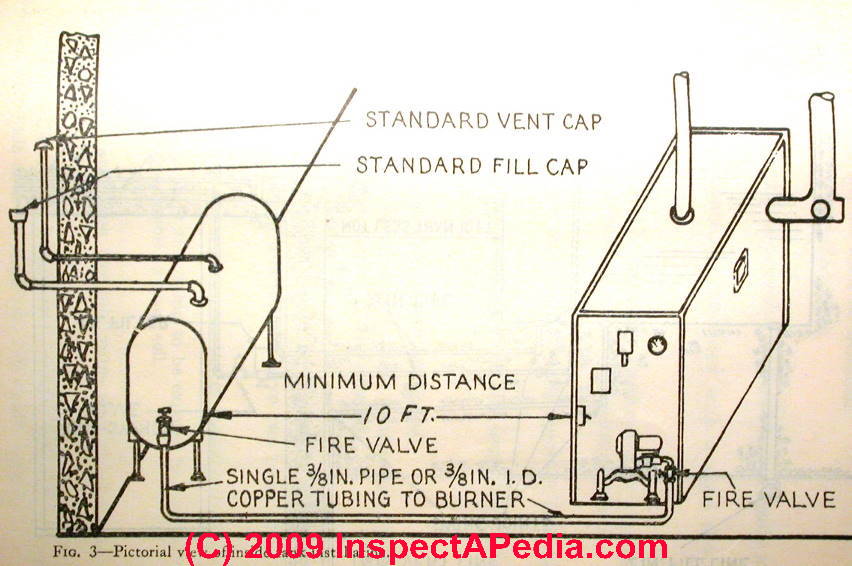
If you are considering storing more than 3500 litres any new installation must be bunded. Inside tank s shall be located not less than 5 feet 15 m from any fuel-fired equipment The tank shall be placed in an area where it is unlikely to be adversely affected by normal household activities Tanks shall be placed in an area where they can be visually inspected from all sides. If the tank is to be located against a stone boundary wall that wall must extend at least 300mm beyond the height and ends of the tank and have thirty minutes of fire resistance The oil tank will be located within 18m of non-fire-rated eaves of a building. If concrete slabs are used they should be a minimum of 50mm thick. If you are considering storing more than 3500 litres any new installation must be bunded.
 Source: inspectapedia.com
The solids are separated from the oil by a dredging mechanism that picks up the solids from the bottom of the tank and drags them. If you have oil fired appliances the tank should be located at least 18m away from their flue terminals. Here is a handsome example of a oil tank with formal right angled corners clean. The base should extend at least 300mm beyond the widest points of the tank and fully support the base of the tank in its entirety. We have an oil tank in quite a prominant position in the garden and would like to try and hide itdisguise it.
 Source: cpsfuels.co.uk
The curvy option a simple L shape design allowing access to the tank from one or two open sides. Building Regulations state that if you are installing a new tank or changing an old one any tank with a capacity of. In some regions to minimise pollution risk from fuel spills it is now mandatory for tanks to be bunded. Get a quote The Barnsley. We have an oil tank in quite a prominant position in the garden and would like to try and hide itdisguise it.
 Source: tuffa.co.uk
If you have oil fired appliances the tank should be located at least 18m away from their flue terminals. If the tank is to be located against a stone boundary wall that wall must extend at least 300mm beyond the height and ends of the tank and have thirty minutes of fire resistance The oil tank will be located within 18m of non-fire-rated eaves of a building. Due to British Standard updates in 2019 BS 54101 85 oil tanks require a minimum distance of 300mm separating the tank from buildings or other boundaries. If you are considering storing more than 3500 litres any new installation must be bunded. Maintaining your fuel oil tanks safety We recommend that you check your fuel tank at least fortnightly to detect any early signs of contamination such as diesel bug.
 Source: inspectapedia.com
Although not covered by regional Building Regulations British Standards provide further guidelines relating to screening such as fences. If concrete slabs are used they should be a minimum of 50mm thick. Oil Storage Regulations state that if you are storing below 3500 litres you are exempt. This may sound complicated but it only requires one lot of measuring in order to find the ideal spot for the tank. Get a quote The Barnsley.
 Source: theheatinghub.co.uk
In some regions to minimise pollution risk from fuel spills it is now mandatory for tanks to be bunded. The capacity of the oil tank must be less than 2500 litres The tank must not be within 10 metres of coastal waters or inland fresh waters like lakes or streams The tank must not be located where oil spills could run into an open drain or a loose manhole cover. Existing installations have up to four years to comply dependant upon location. British standards require a clearance of 600mm between the tank and any screening so make sure as a minimum you leave the required clearance failure to do so may mean your tank doesnt comply with current regulations and could have consequences if a problem was to arise. The curvy option a simple L shape design allowing access to the tank from one or two open sides.
 Source: tuffa.co.uk
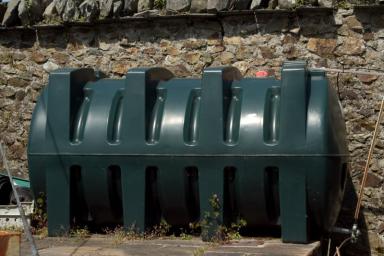
Here is a handsome example of a oil tank with formal right angled corners clean. Maintaining your fuel oil tanks safety We recommend that you check your fuel tank at least fortnightly to detect any early signs of contamination such as diesel bug. In some regions to minimise pollution risk from fuel spills it is now mandatory for tanks to be bunded. Therefore they are one of the simplest yet most effective ways to cover your oil tank. All plastic oil tanks must be installed on a flat level and fire resistant base capable of supporting the weight of the tank when fully laden.
 Source: atlantistanks.co.uk
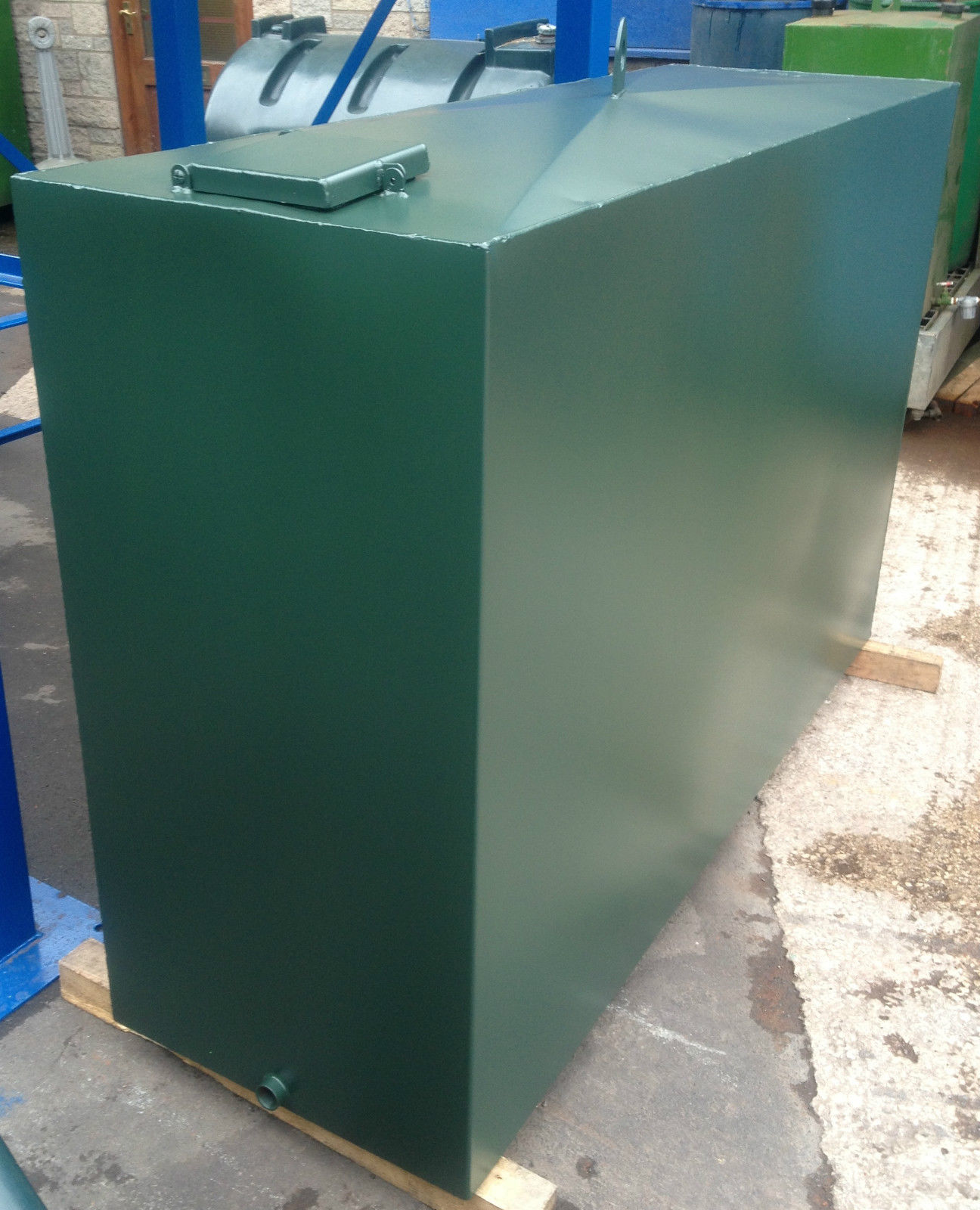
If you are considering storing more than 3500 litres any new installation must be bunded. Simply plant in the garden or in planter boxes around your tank and Voila. This may sound complicated but it only requires one lot of measuring in order to find the ideal spot for the tank. Any trellis work or other forms of screening should be at least 600mm away from the tank. The solids are separated from the oil by a dredging mechanism that picks up the solids from the bottom of the tank and drags them.
 Source: cpsfuels.co.uk
British standards require a clearance of 600mm between the tank and any screening so make sure as a minimum you leave the required clearance failure to do so may mean your tank doesnt comply with current regulations and could have consequences if a problem was to arise. The screening tank pre-screens crude oil containing up to 10 solids also known as foots from the presses before final filtration or clarification in a decanter. The person inspecting your tank will let you know when you should replace it. The solids are separated from the oil by a dredging mechanism that picks up the solids from the bottom of the tank and drags them. Oil Storage Regulations state that if you are storing below 3500 litres you are exempt.
 Source: tuffa.co.uk
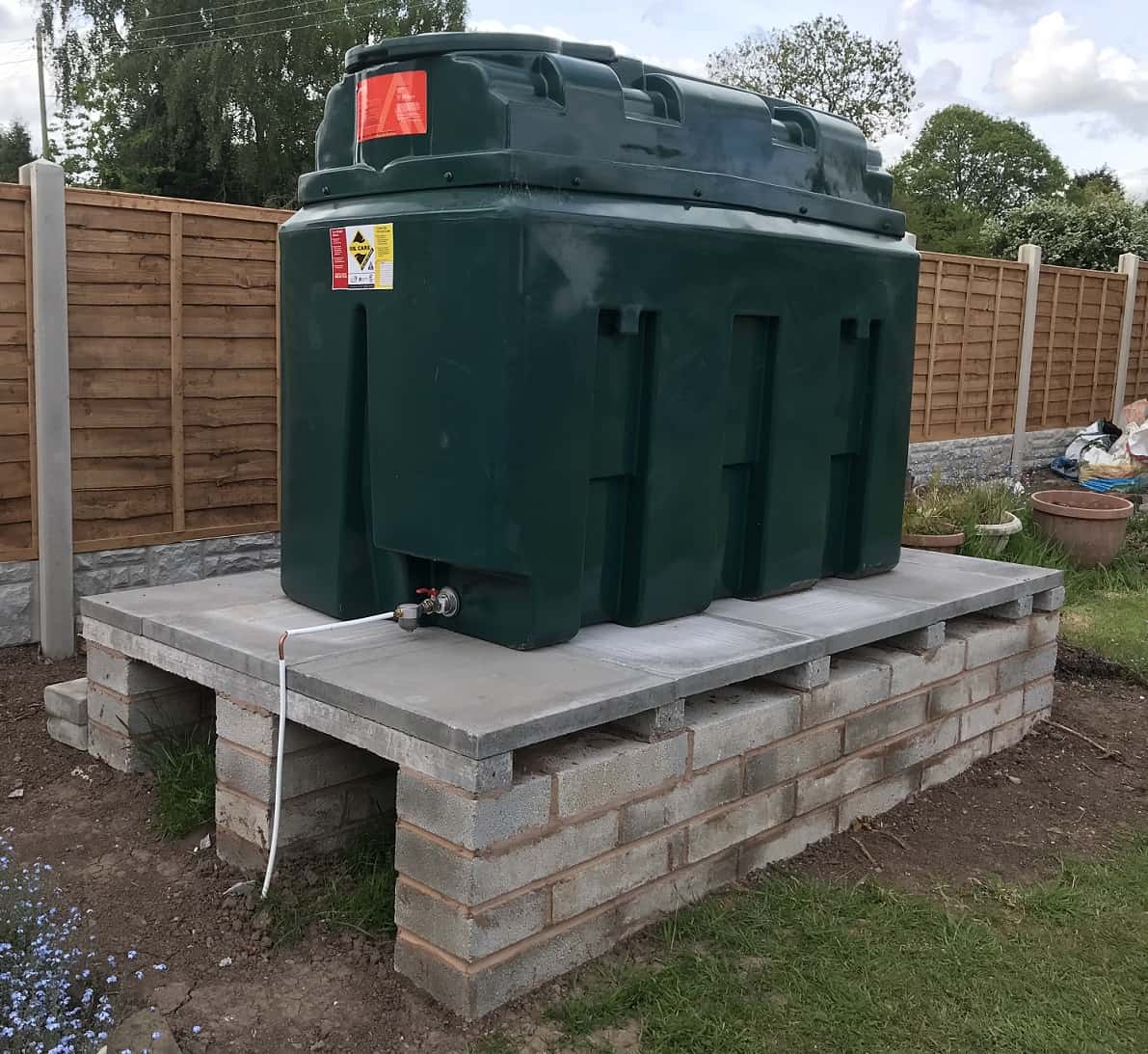
The tank is sized to typically provide 30 to 60 minutes settling time and buffer storage. In some regions to minimise pollution risk from fuel spills it is now mandatory for tanks to be bunded. Modern fuel storage tanks come in all shapes and sizes and can be made from plastic or steel to suit your individual requirements. If concrete slabs are used they should be a minimum of 50mm thick. Simply plant in the garden or in planter boxes around your tank and Voila.
 Source: atlantistanks.co.uk
The person inspecting your tank will let you know when you should replace it. These cover the proximity of the tank to buildings and boundaries type of tank who can certify the installation and the oil supply pipe. The tank is sized to typically provide 30 to 60 minutes settling time and buffer storage. Heating Oil Tanks. On a solid base level and at least 42mm thick that extends a mimimum of 300mm around the footprint of the tank 1800mm away from non-fire rated eves of a building 1800mm away from openings such as doors or windows 1800mm away from any appliance flue terminals 1800mm away from a non-fire rated building or structure ie.
 Source: tuffa.co.uk
Any trellis work or other forms of screening should be at least 600mm away from the tank. If you have oil fired appliances the tank should be located at least 18m away from their flue terminals. The capacity of the oil tank must be less than 2500 litres The tank must not be within 10 metres of coastal waters or inland fresh waters like lakes or streams The tank must not be located where oil spills could run into an open drain or a loose manhole cover. It is recommended that the chosen tank is manufactured to OFTEC Standards OFS T100 for plastic or OFS T200 for steel. The tank is sized to typically provide 30 to 60 minutes settling time and buffer storage.
 Source: dlr.de
The oil tank featured during the programme would appear to meet little if any of these requirements. Maintaining your fuel oil tanks safety We recommend that you check your fuel tank at least fortnightly to detect any early signs of contamination such as diesel bug. This may sound complicated but it only requires one lot of measuring in order to find the ideal spot for the tank. Although not covered by regional Building Regulations British Standards provide further guidelines relating to screening such as fences. Here is a handsome example of a oil tank with formal right angled corners clean.
 Source: rosen-group.com
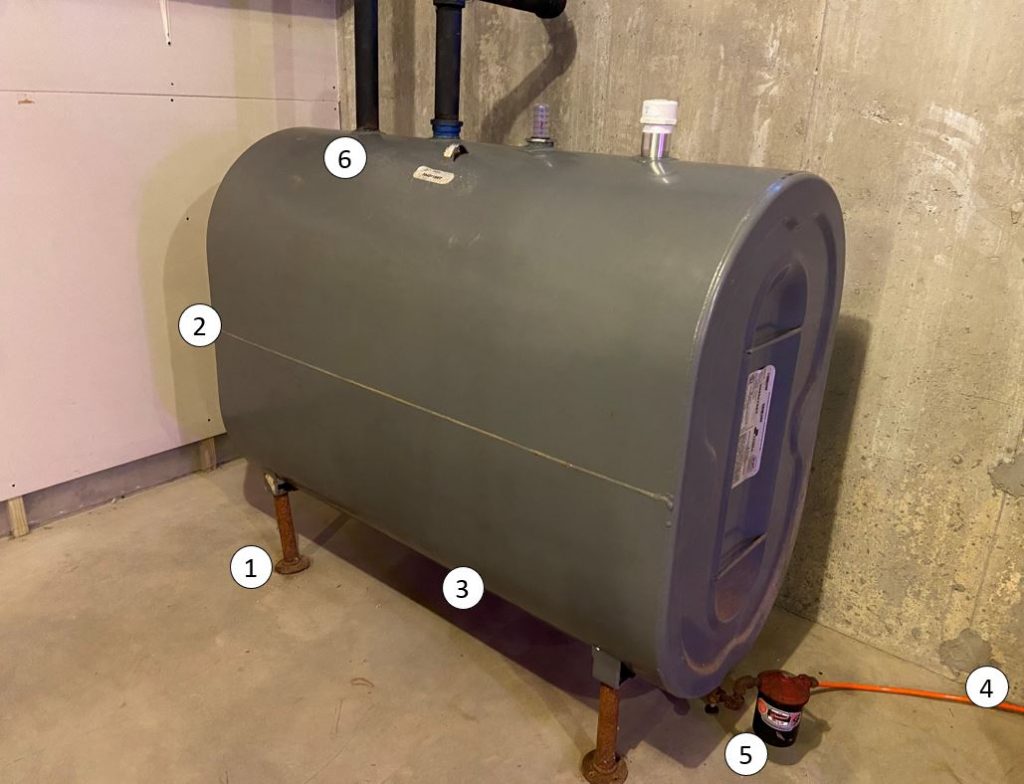
If feasible maintain a minimum separation of 2 in 50 mm. Read more details here. The person inspecting your tank will let you know when you should replace it. What was an. Inside tank s shall be located not less than 5 feet 15 m from any fuel-fired equipment The tank shall be placed in an area where it is unlikely to be adversely affected by normal household activities Tanks shall be placed in an area where they can be visually inspected from all sides.
 Source: fuelsnap.com
It is recommended that the chosen tank is manufactured to OFTEC Standards OFS T100 for plastic or OFS T200 for steel. The oil tank will be located within 760mm of a non-fire-rated boundary. Existing installations have up to four years to comply dependant upon location. Inside tank s shall be located not less than 5 feet 15 m from any fuel-fired equipment The tank shall be placed in an area where it is unlikely to be adversely affected by normal household activities Tanks shall be placed in an area where they can be visually inspected from all sides. The options ive looked at so far are.
This site is an open community for users to share their favorite wallpapers on the internet, all images or pictures in this website are for personal wallpaper use only, it is stricly prohibited to use this wallpaper for commercial purposes, if you are the author and find this image is shared without your permission, please kindly raise a DMCA report to Us.
If you find this site beneficial, please support us by sharing this posts to your preference social media accounts like Facebook, Instagram and so on or you can also bookmark this blog page with the title oil tank screening regulations by using Ctrl + D for devices a laptop with a Windows operating system or Command + D for laptops with an Apple operating system. If you use a smartphone, you can also use the drawer menu of the browser you are using. Whether it’s a Windows, Mac, iOS or Android operating system, you will still be able to bookmark this website.


